MOVING FROM → TO
Moving from the Netherlands to Germany
Two things flip on this move, and both surprise people: the salary bar is lower in Germany, and the tax break you had in Amsterdam does not exist in Berlin.
- What is the work-visa salary threshold in Germany?
- €50,700 a year for a standard work permit (2026).

Enter the salary from your offer to compare all countries at once.
The comparison runs in your browser. Nothing you type is sent anywhere, stored or logged. It compares your figure with published thresholds and rates — it is not a tax calculation and not advice.
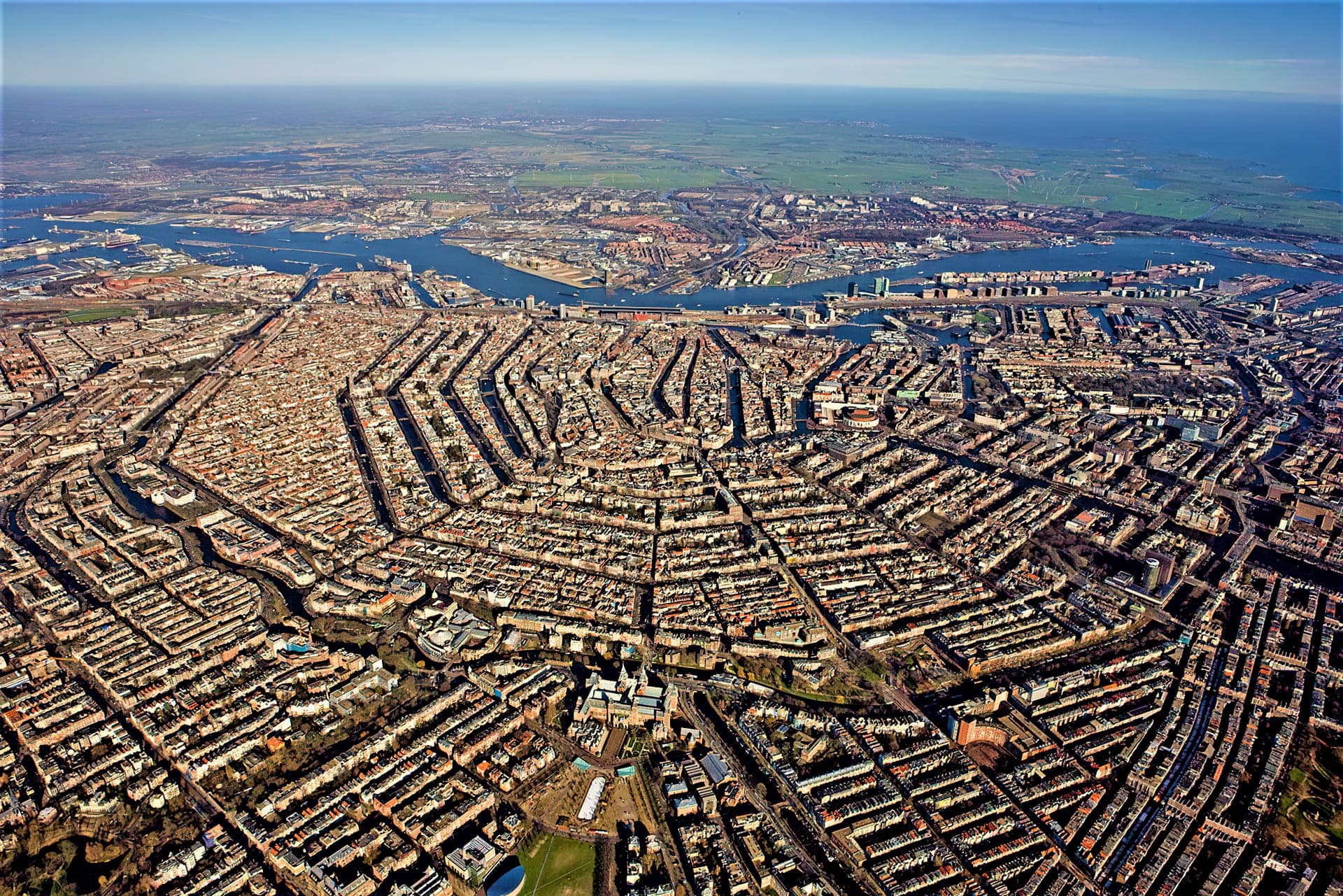
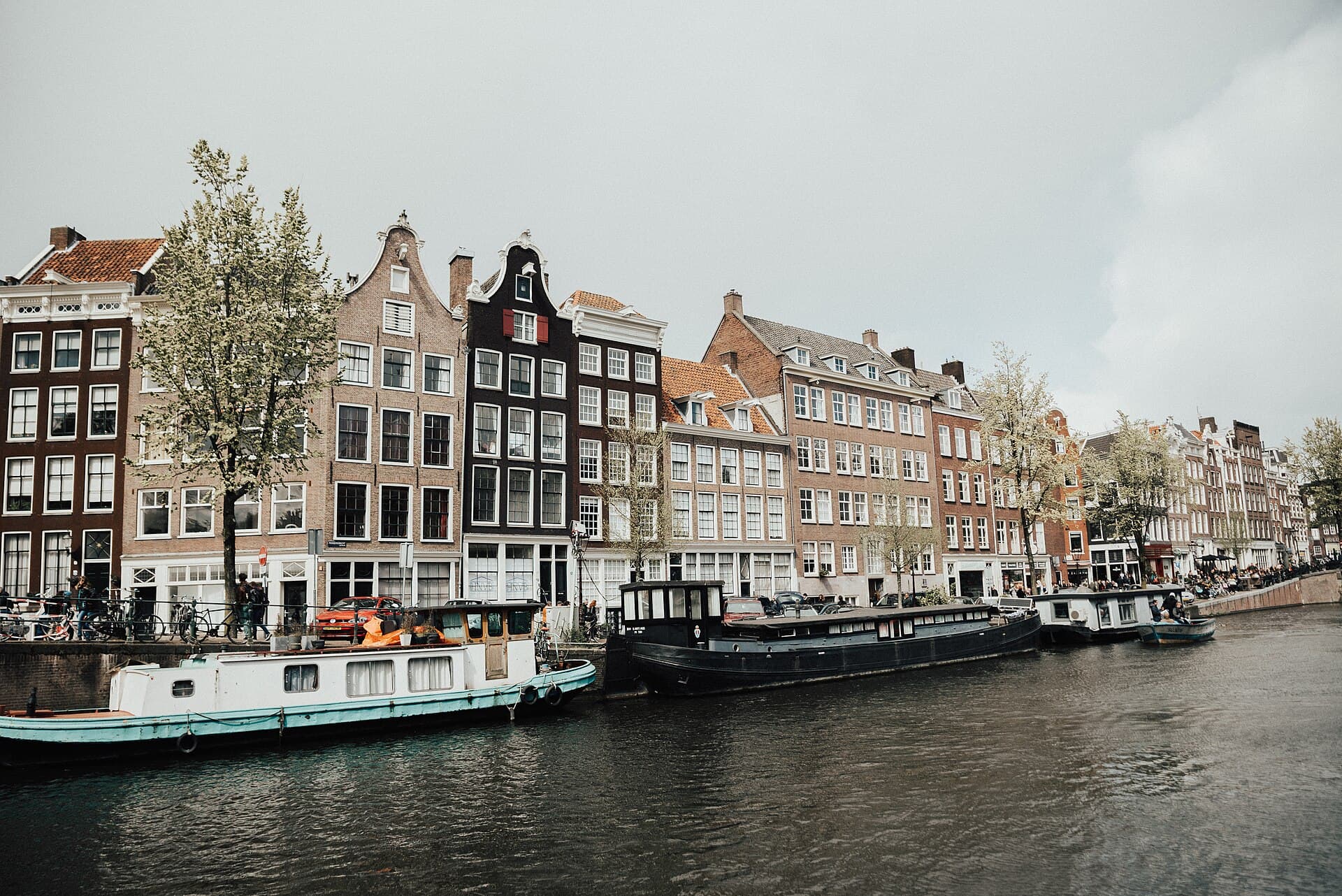
LeavingAmsterdam 
ArrivingBerlin
Photo credits and licences
- Amsterdam — Andrés Barrios · CC BY-SA 4.0
- Berlin — Kasa Fue, derivative work by Georgfotoart · CC BY-SA 4.0
The threshold is lower in Germany, not higher
The Dutch highly skilled migrant criterion is quoted monthly: €5,942 gross for applicants aged 30 and over in 2026. Annualised that is €71,304 — and holiday allowance sits outside it, so the real cost to an employer is higher again.
Germany's EU Blue Card threshold for 2026 is €50,700 a year, or €45,934.20 for shortage occupations and recent graduates. That is a materially lower bar than the Dutch one, which runs against most people's expectation that Germany is the stricter country.
You lose the 30% ruling and get nothing equivalent
The Dutch expat scheme lets an employer pay part of your salary free of tax for up to five years. Germany has no equivalent regime for incoming employees. If the ruling was applied to your Dutch salary, the move ends it — and the comparison you should run is against your Dutch net pay with the exemption, not against your gross.
Tax pulls in opposite directions depending on what you earn
Germany taxes nothing up to €12,348, then rises continuously from 14% to 42%. The Netherlands charges 35.75% inside its first band — income tax plus national insurance — from the first euro, with credits reducing the bill afterwards.
At the top the order reverses: the Dutch top rate of 49.5% starts at €78,426, while Germany reaches 42% at €69,878 and only goes to 45% above €277,825. A high earner faces a lower marginal rate in Germany; someone on a modest salary is likely better off there too, because of the tax-free amount.
Social contributions are charged separately in both countries and are not part of those rates, so treat this as the direction of travel rather than a net-pay calculation.
Both countries in detail
Netherlands
Germany
Quoting a figure from this page
Every number here is checked against the authority that publishes it, on the date shown. Those numbers change without announcement — one on this site was correct for three months and then quietly was not. So if you quote a figure, quote the date with it, and check the source before you rely on it.
Career Space, “Netherlands to Germany: salary thresholds and tax compared”. Checked 2026-08-11. https://career-space.com/en/move/netherlands-to-germany
This page is information, not advice. We are not an employer, a recruitment agency, a visa centre or an immigration adviser, and we are not affiliated with any government body. Rules change — confirm against the official source before you act.