Germany
Working in Germany: city by city
The permit threshold is national, the offer is not. What differs between cities is which industries hire, how pay compares and what to check in the contract.
No city figures here. Population, city-level pay and rent from official sources are separate work, and inventing them instead of citing them is not something this site does. Every number below is national and links to where it is explained.
Working in Berlin
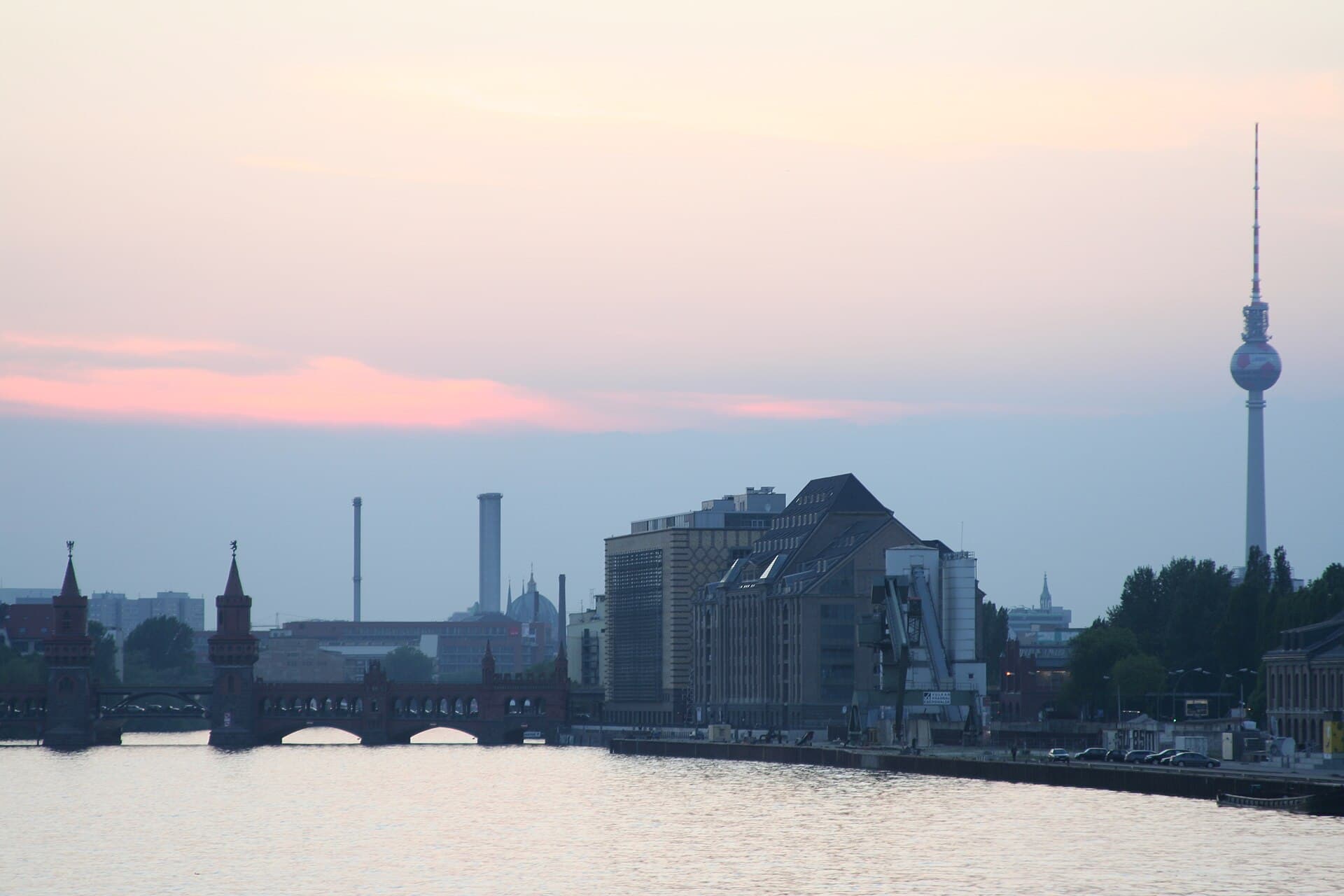
Germany's capital and its least German city economically: light on industry, heavy on startups, government and culture. Salaries here sit below Munich and Frankfurt, and that is the trade-off.
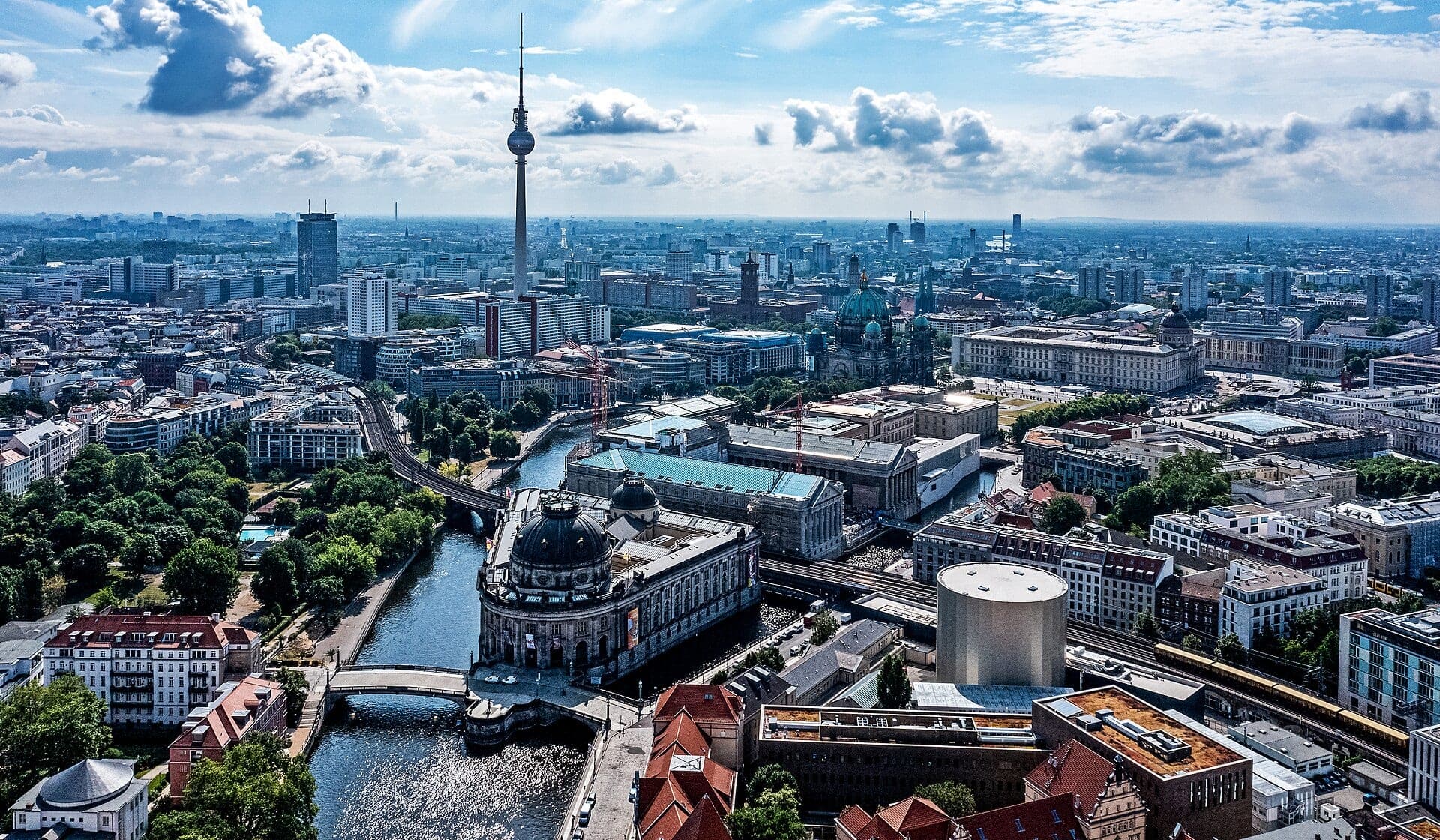
Photo: Kasa Fue, derivative work by Georgfotoart · CC BY-SA 4.0
What the city runs on
Startups and technology, government and its surrounding policy sector, media, science and culture. Berlin never rebuilt the industrial base it lost in the twentieth century, so the classic German pattern of a mid-sized city dominated by one manufacturer does not apply here.
The salary trade-off is real
Pay in Berlin tends to run below Munich, Stuttgart and Frankfurt for comparable roles. Housing costs have risen steeply, which has narrowed the compensation that lower pay used to carry. Since the EU Blue Card threshold is national, the same permit is easier to clear on a Munich salary than on a Berlin one — worth knowing if your offer sits close to the line.
What to check before you sign
Whether your occupation counts as a shortage occupation, because that lowers the Blue Card threshold materially. And whether the contract is with a German entity — startup groups sometimes hire through an entity in another country, which changes both your permit route and where you pay tax.
Working in Munich
The highest salaries in Germany and the highest rents, in the same city. Munich is where the country's engineering, insurance and technology money concentrates.
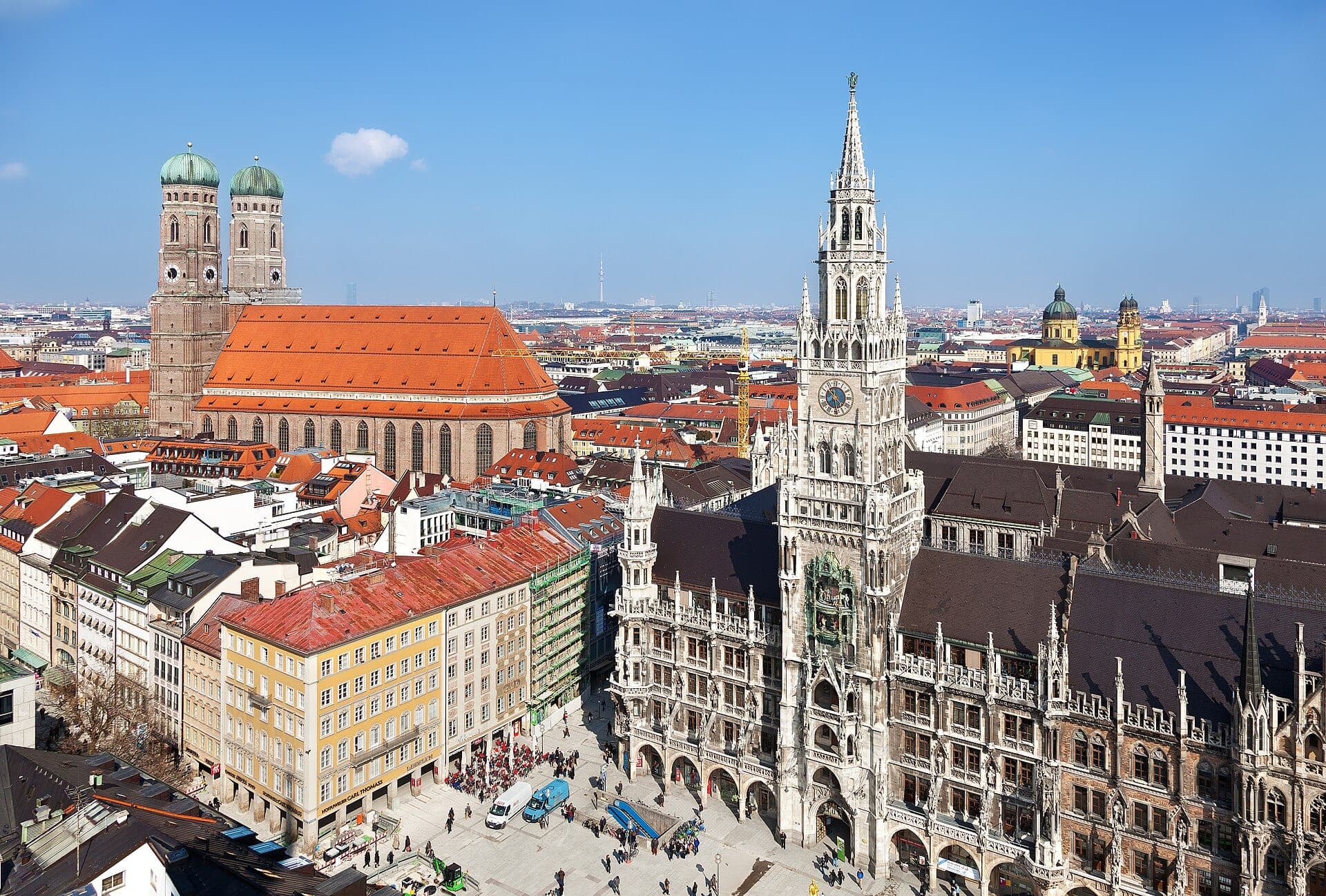
Photo: Thomas Wolf, www.foto-tw.de · CC BY-SA 3.0 de
What the city runs on
Automotive and industrial engineering, insurance, and a large technology sector that includes the German offices of most major international software firms. BMW and Siemens are headquartered here, and an unusually dense research landscape surrounds two major universities.
Why the numbers work differently here
Munich salaries clear the EU Blue Card threshold comfortably in most professional roles, so the permit is rarely the obstacle. Housing is the obstacle. Rents are the highest in Germany by a wide margin, and the search itself is competitive in a way that catches new arrivals out — bring documents, and expect to view flats alongside twenty other applicants.
What to check before you sign
Whether relocation support includes temporary housing, and for how long. In Munich that clause is worth more than an equivalent amount of signing bonus, because the constraint you will hit is availability rather than money.
Working in Frankfurt
The financial centre of the euro area and the seat of the European Central Bank. A small city with an outsized concentration of banking, and the only German skyline that looks the part.
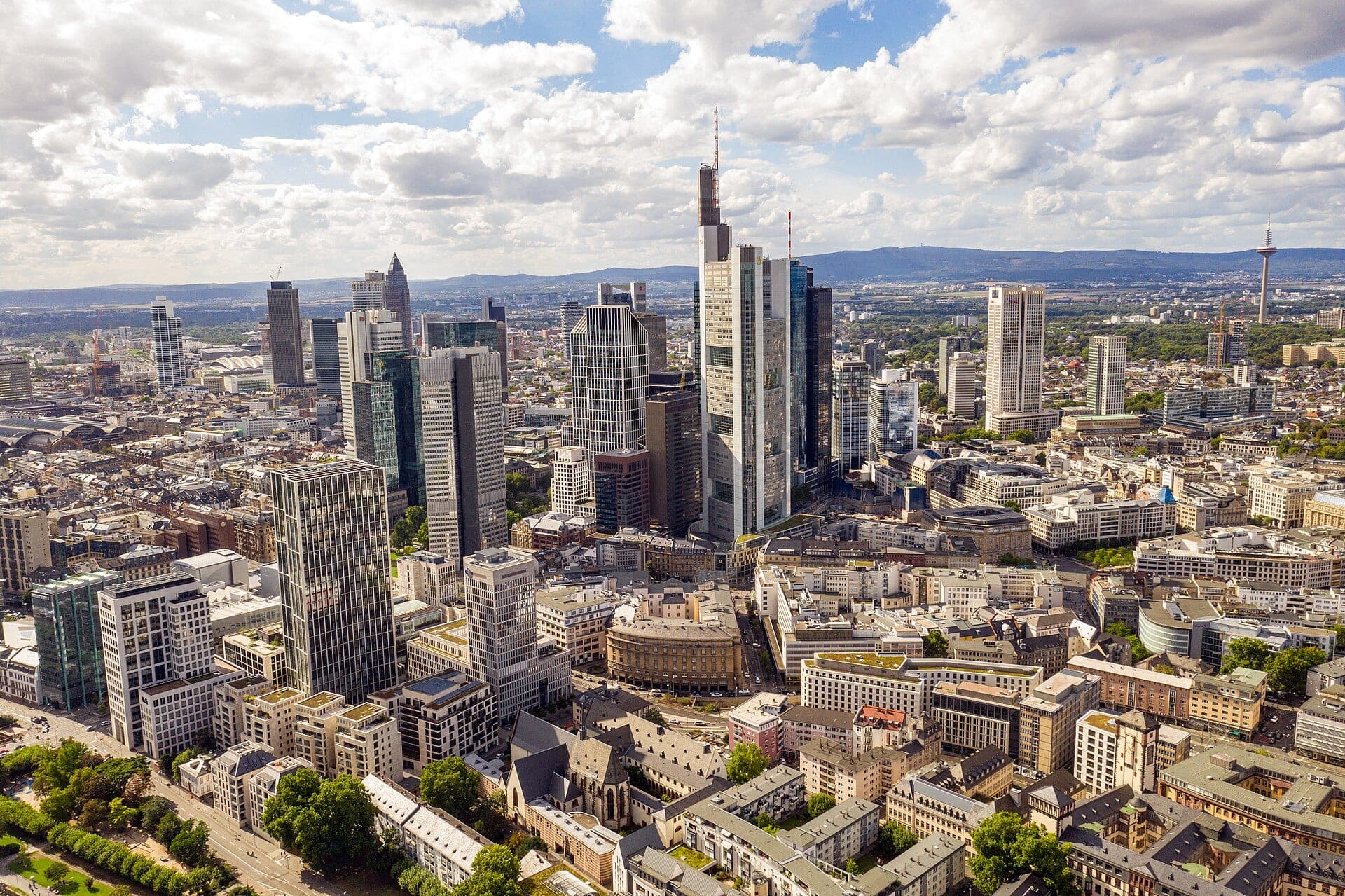
Photo: Kasa Fue · CC BY-SA 4.0
What the city runs on
Banking, asset management, insurance and the regulatory and legal apparatus around them. The European Central Bank and the Bundesbank are both here, as is one of Europe's largest airports and a major internet exchange point — which is why data centre and infrastructure roles cluster here too.
Why it hires internationally more readily than most
Finance in Frankfurt operates in English to a greater degree than most German workplaces, and the sector has been absorbing relocations from London since Brexit. Employers here are experienced with Blue Card applications and often have in-house teams for them, which makes the process faster than at a first-time sponsor.
What to check before you sign
Whether the role is regulated. Certain finance functions require registration or approval that can take longer than the work permit itself, and the sequencing matters if you have a notice period to plan around.
Working in Hamburg
Germany's port city and its media capital at the same time. Two unrelated industries, both large, which makes the job market here broader than its size suggests.
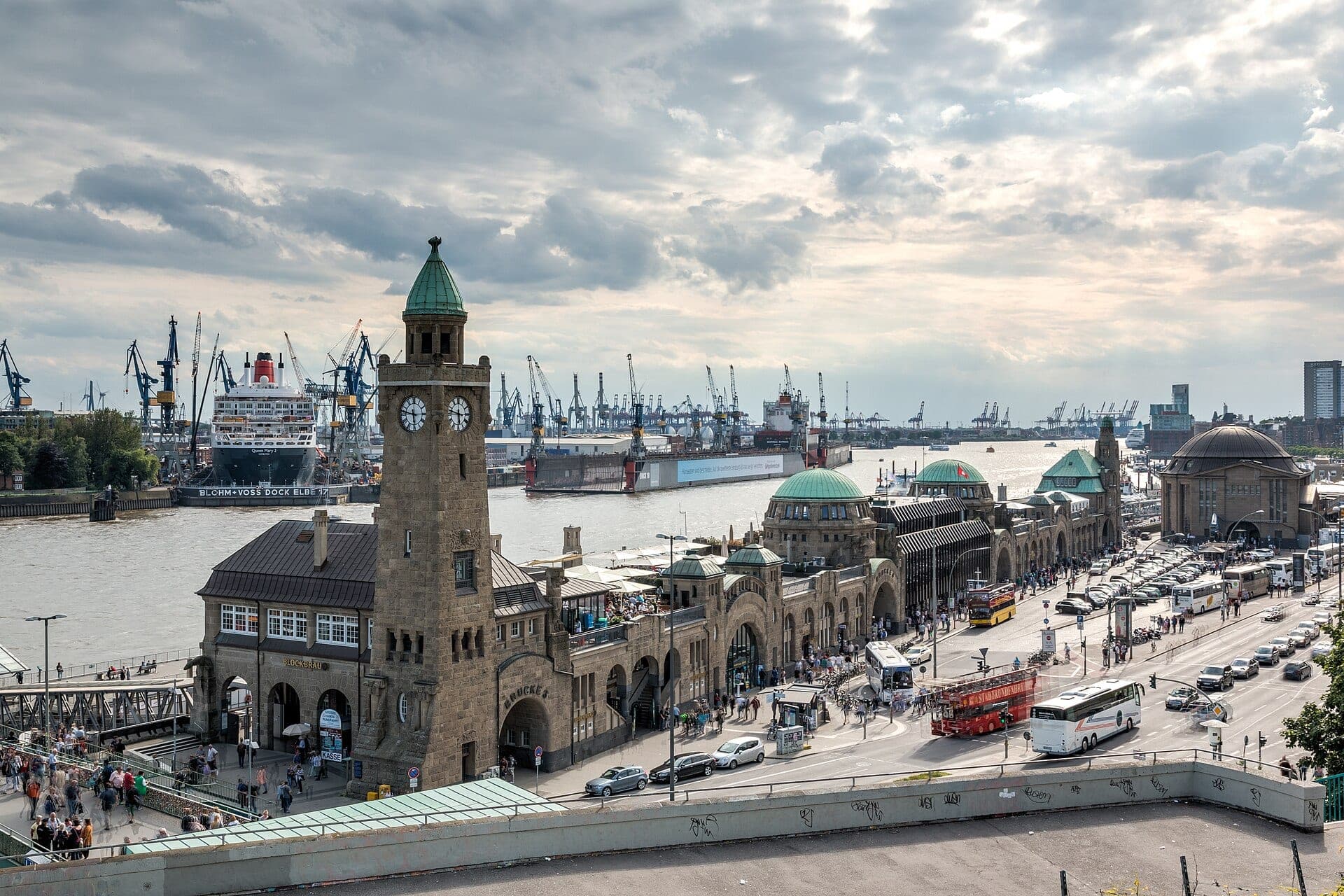
Photo: Dietmar Rabich · CC BY-SA 4.0
What the city runs on
The port and the logistics and trading businesses built around it, aviation manufacturing, and a media and publishing sector that is the largest in the country. Renewable energy has grown into a substantial cluster as well.
What that means for an incoming offer
The breadth is the point: Hamburg is one of the few German cities where a career change between sectors does not require moving city. Salaries sit below Munich and Frankfurt but above Berlin for most professional roles, and housing, while expensive by German standards, is not in the Munich category.
What to check before you sign
The language requirement, honestly rather than optimistically. Media and publishing work in German almost throughout, while logistics and aviation are more mixed — the difference between the two is much larger than the difference between cities.
Working in Cologne
The centre of the Rhine-Ruhr, the largest urban region in Germany. Living here means a dozen city job markets are within an hour by train — a situation nowhere else in the country matches.
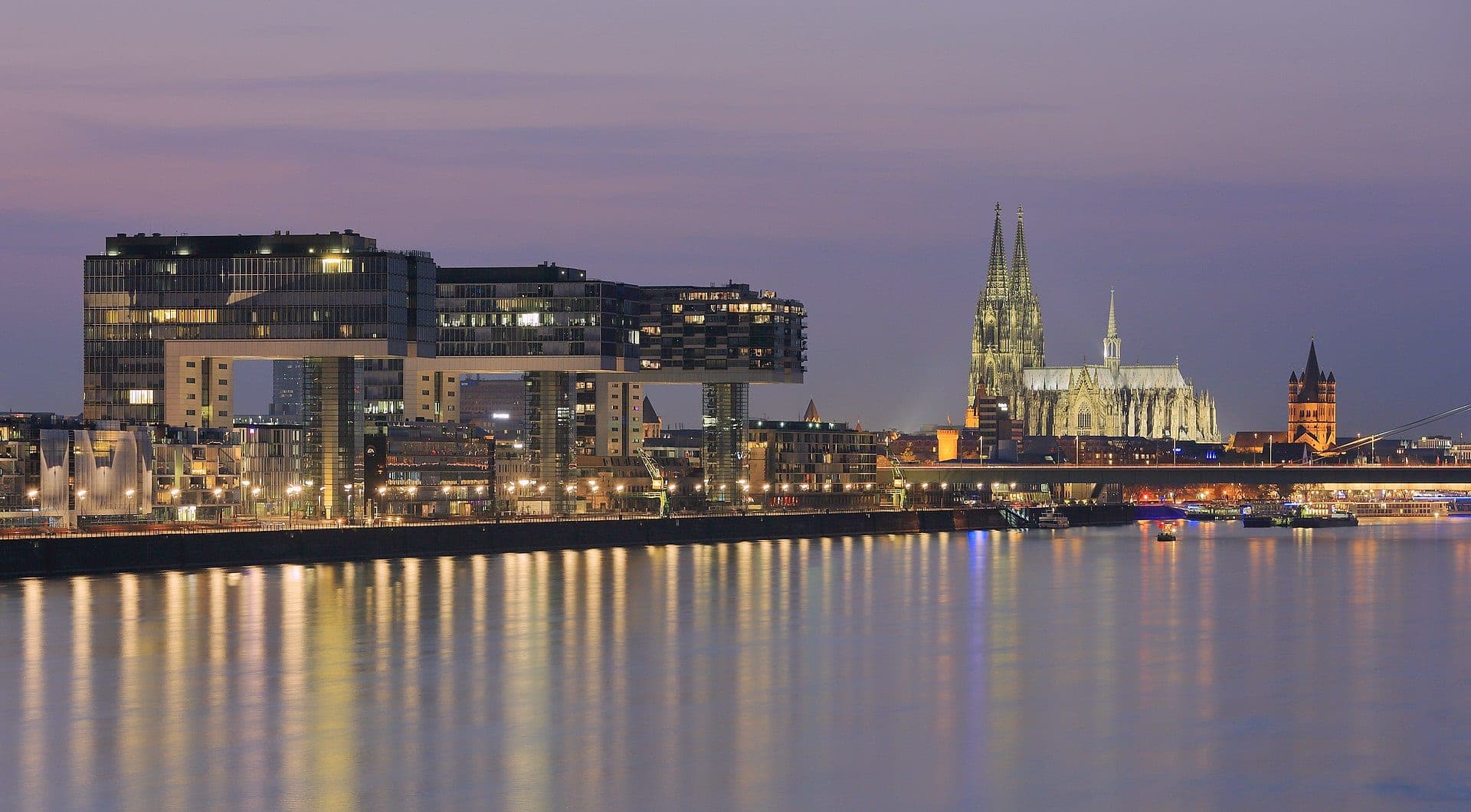
Photo: Martin Falbisoner · CC BY-SA 4.0
What the city runs on
Broadcasting and media, insurance, and the chemical industry along the Rhine. The Kranhäuser — the crane-shaped buildings in the old harbour — mark where the port function gave way to offices, which is a reasonable summary of the local economy over the past thirty years.
The regional argument
Düsseldorf, Bonn, Essen, Dortmund and Duisburg are all close, and the region functions as one labour market for many professions. If you expect to change employers, that density is worth more than any single city's salary premium.
One thing that specifically affects this region
If you are considering a later move to the Netherlands, note the Dutch 30% ruling requires that you lived more than 150 km from the Dutch border for most of the preceding two years. Cologne is inside that radius. Someone who takes a job here first can lose access to the Dutch exemption later — see our Germany to the Netherlands page for how that plays out.
This page is information, not advice. We are not an employer, a recruitment agency, a visa centre or an immigration adviser, and we are not affiliated with any government body. Rules change — confirm against the official source before you act.