Netherlands
Working in the Netherlands: city by city
The permit threshold is national, the offer is not. What differs between cities is which industries hire, how pay compares and what to check in the contract.
No city figures here. Population, city-level pay and rent from official sources are separate work, and inventing them instead of citing them is not something this site does. Every number below is national and links to where it is explained.
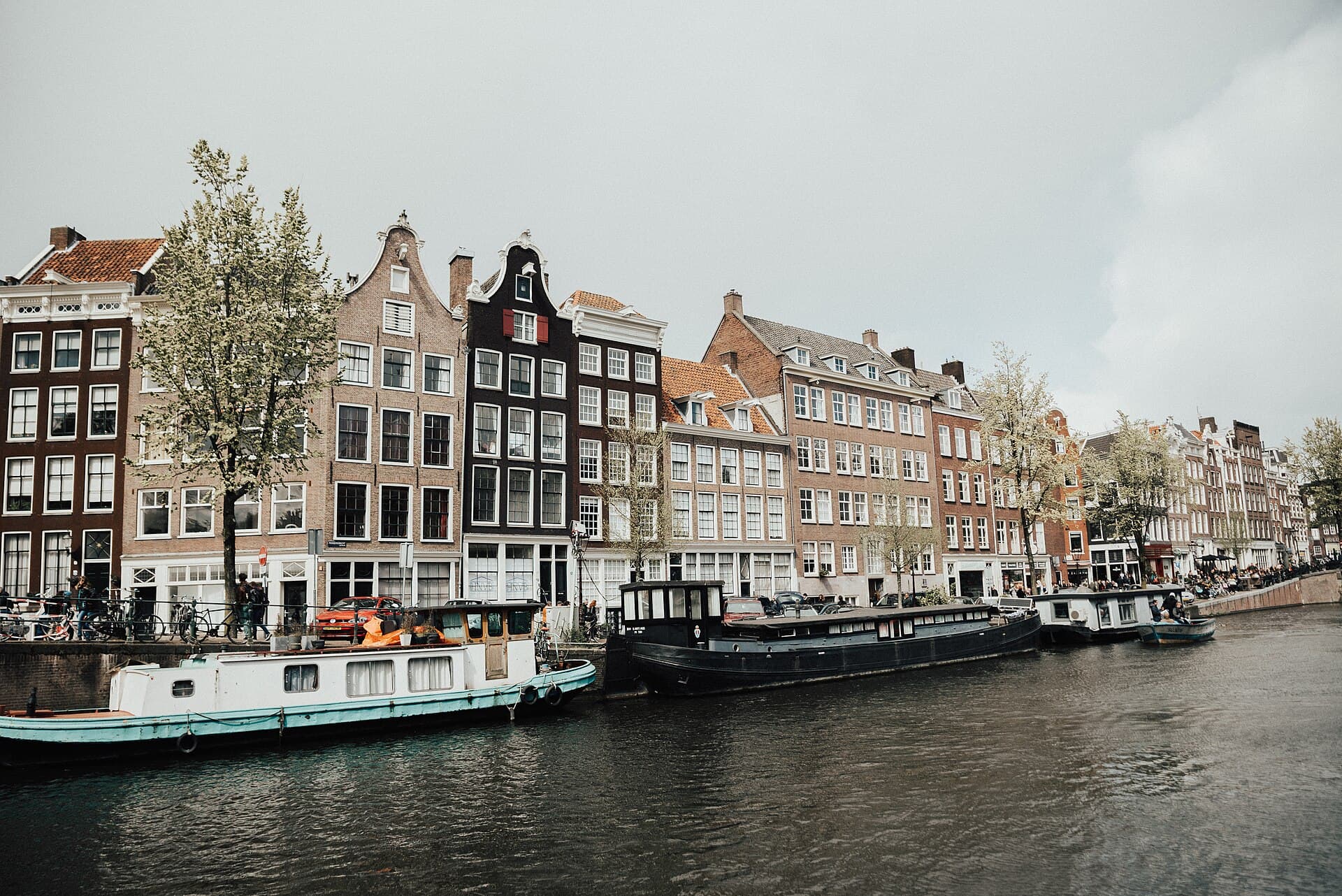
Working in Amsterdam
Most Dutch job offers that come with a relocation package come from here, and so does the country's tightest housing market. The salary threshold is national, but the rent is not.
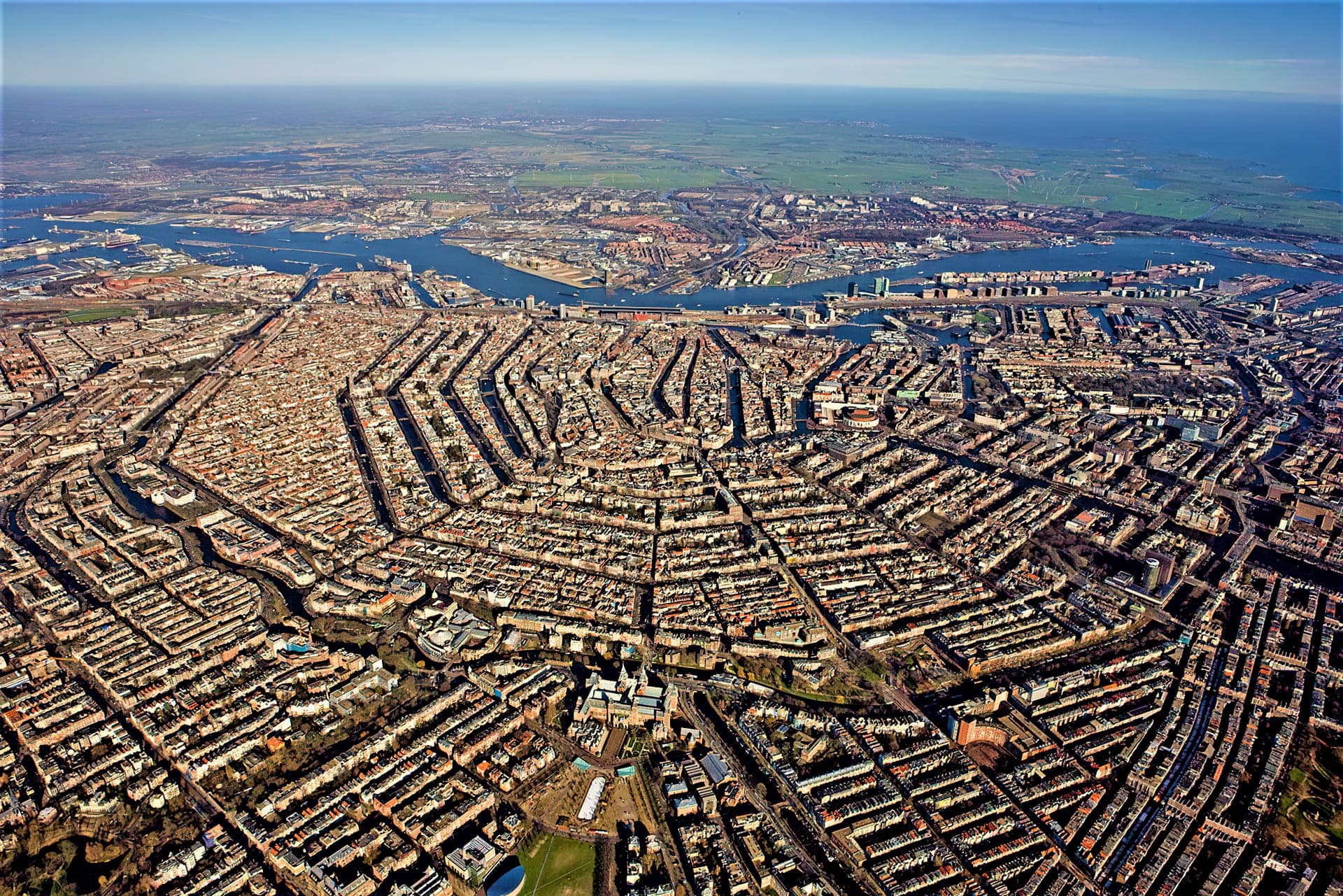
Photo: Andrés Barrios · CC BY-SA 4.0
What the city runs on
Amsterdam is where international employers put their European headquarters, which is why so many highly skilled migrant permits start with an Amsterdam contract. Finance, technology and the legal and consulting firms that serve both dominate the offers. The airport at Schiphol sits fifteen minutes from the centre by train, which matters more than it sounds: a lot of these roles are regional, not local, and you will be flying.
The catch nobody mentions in the offer
Housing is the binding constraint, not salary. Rental supply in the city is scarce enough that people commonly commute in from Haarlem, Amstelveen or Almere for their first year. If your employer offers a temporary apartment for the first months, that is worth real money — treat it as part of the package rather than a courtesy.
What to check before you sign
Two things, and neither is about the city. Your employer must be a recognised sponsor with the IND, or the highly skilled migrant route is closed no matter what the salary is. And the Dutch threshold is quoted per month and excludes holiday allowance, so the number in your offer letter and the number the IND tests are not the same number.
Working in Rotterdam
Europe's largest seaport, and the one Dutch city that looks nothing like the postcard. If your field is logistics, energy or engineering, the offers are here rather than in Amsterdam.
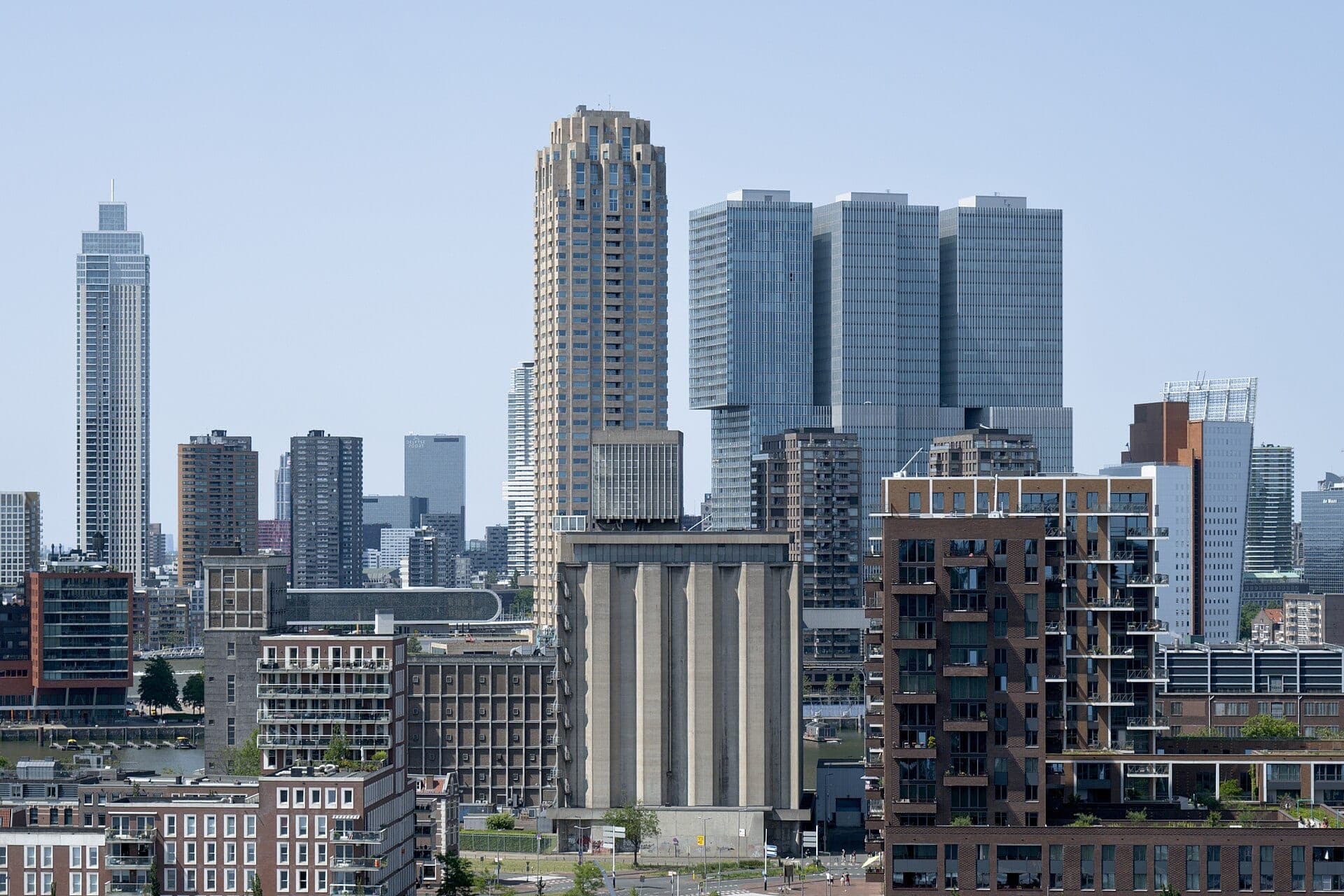
Photo: Rob Oo · CC BY 2.0
What the city runs on
The port defines the local economy: shipping, energy, commodities trading, and the engineering and inspection firms that serve them. Rotterdam was rebuilt after 1940, which is why its skyline is modern in a way no other Dutch city is — and why the housing stock is newer and more plentiful than Amsterdam's.
Why people choose it over Amsterdam
The same national salary threshold buys considerably more housing here, and the two cities are forty minutes apart by intercity train. For a first year in the Netherlands that combination is worth taking seriously, particularly if your employer is flexible about which office you attend.
What to check before you sign
The threshold and the sponsor requirement are national, so nothing changes on that front. What does change is the shape of the role: port-adjacent jobs often involve shift patterns or on-call arrangements, and those affect gross pay in ways the annual figure hides.
Working in The Hague
The seat of Dutch government and of international courts and tribunals. A job market unlike any other in the country, because a large part of it is not commercial at all.
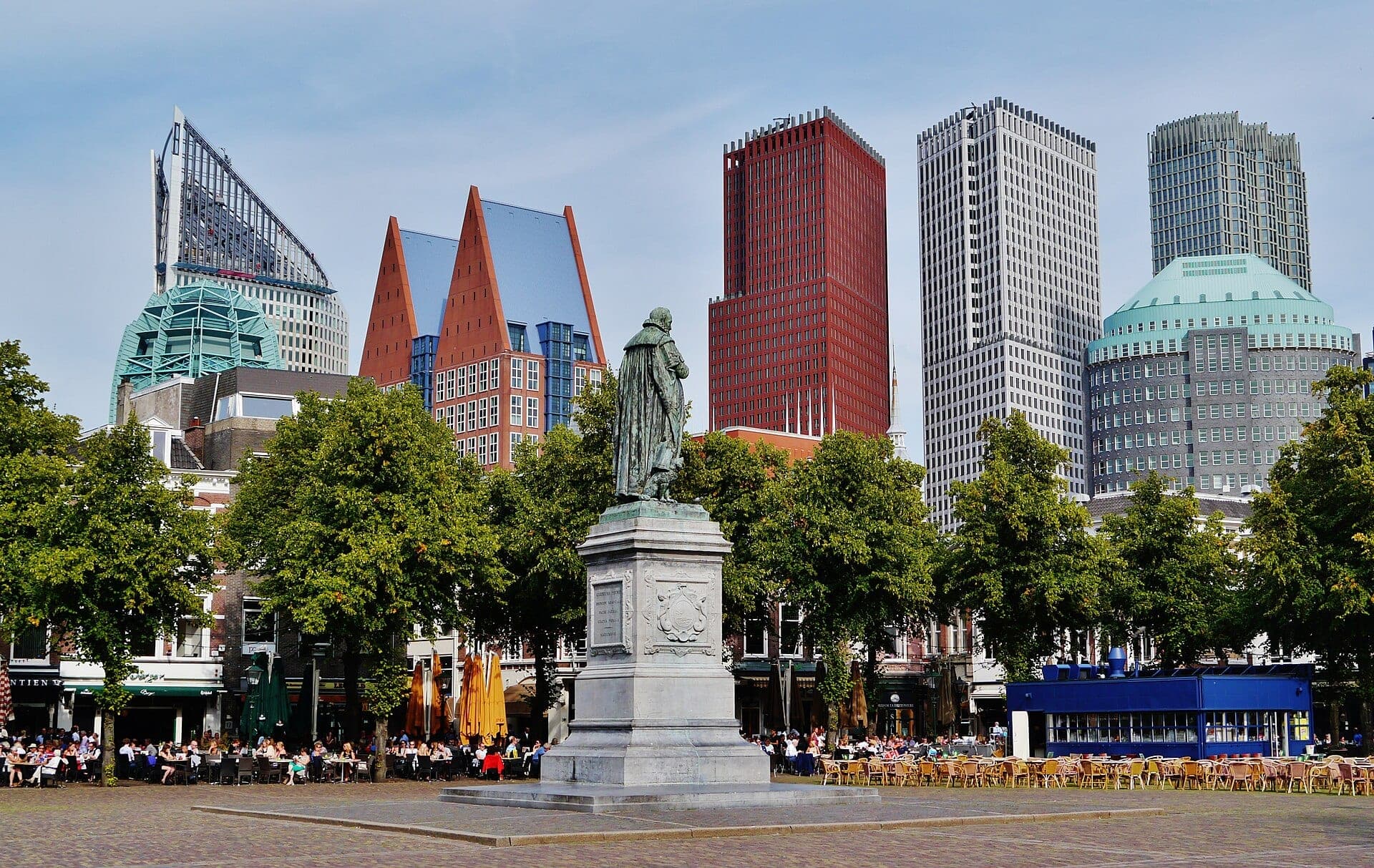
Photo: Zairon · CC BY-SA 4.0
What the city runs on
Government, diplomacy and international law. The International Court of Justice and a cluster of tribunals and international organisations sit here, alongside the ministries and the embassies that follow them. There is a commercial sector too — Shell has long had a major presence — but the character of the city comes from the institutions.
Why that changes the hiring path
Positions at international organisations often sit outside the ordinary immigration route entirely: they run on privileges and immunities arrangements rather than on employer sponsorship. If your offer comes from such a body, the highly skilled migrant rules on this site may simply not apply to you, and you should ask the organisation's own human resources department which regime you fall under.
What to check before you sign
Which employer type you are joining, before anything else. A Dutch company means the sponsor and threshold rules apply as normal. An international organisation means a different set of rules, a different tax position, and questions our country pages cannot answer for you.
Working in Utrecht
The country's rail hub, which in a country this size means you can live here and work almost anywhere. That single fact shapes the local job market more than any industry does.
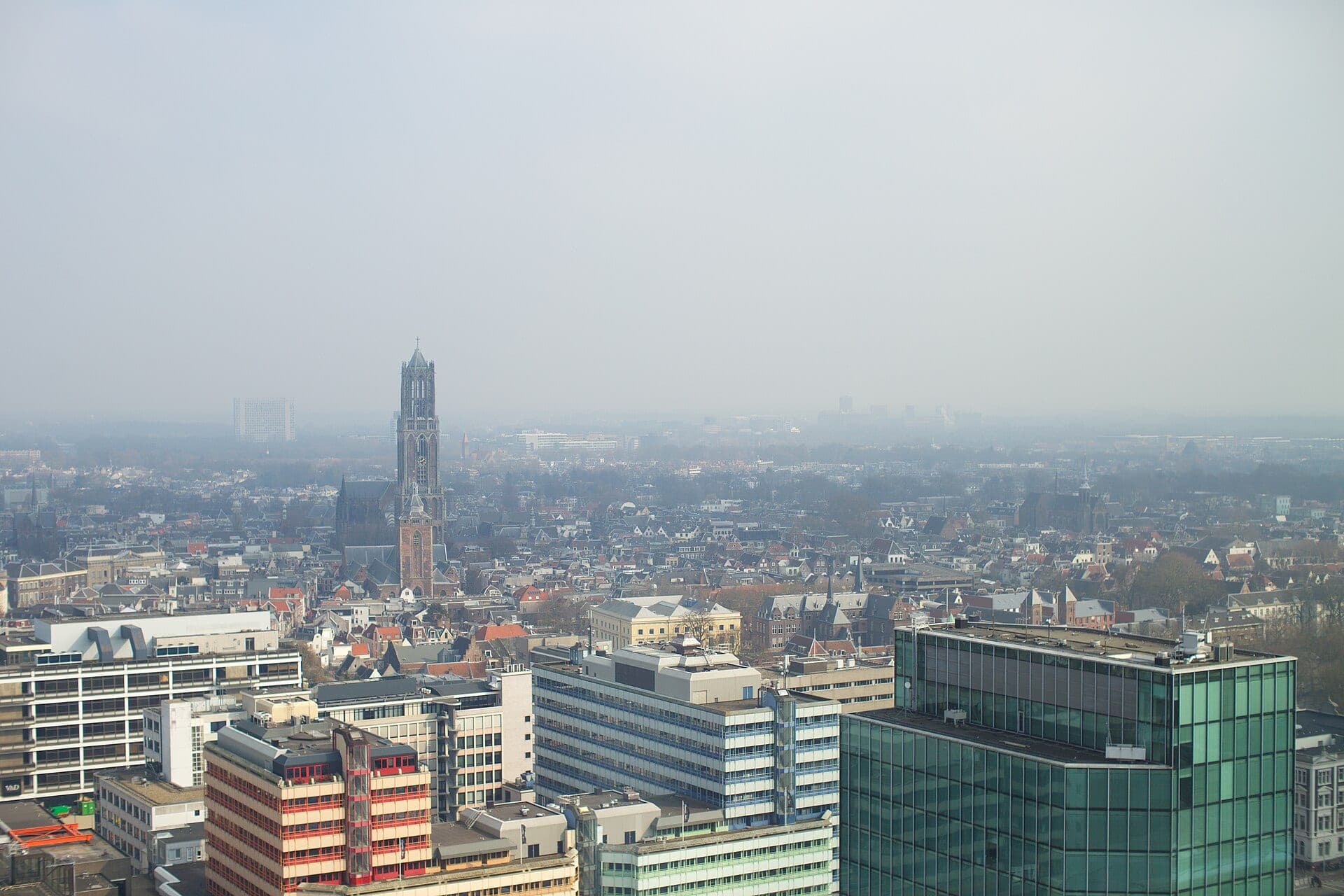
Photo: Sebastiaan ter Burg from Utrecht, The Netherlands · CC BY 2.0
What the city runs on
Utrecht Centraal is the busiest station in the Netherlands, and nearly every domestic route passes through it. The city hosts a large university, a substantial health and life sciences cluster around it, and the back offices of several national employers.
Why the rail hub matters to you
It widens your options rather than narrowing them. From Utrecht, Amsterdam, Rotterdam, The Hague and Eindhoven are all within commuting distance, so you can accept a job in one city without committing to its housing market. People who plan to change employers within a few years often start here deliberately.
What to check before you sign
If the role is hybrid, confirm how many days on site are actually expected. The commuting argument for Utrecht only works if the number is two or three, and a lot of offers say hybrid while meaning four.
Working in Eindhoven
A company town that outgrew its company. Philips built it, then largely left it — and what remained became the densest concentration of hardware engineering in the Netherlands.
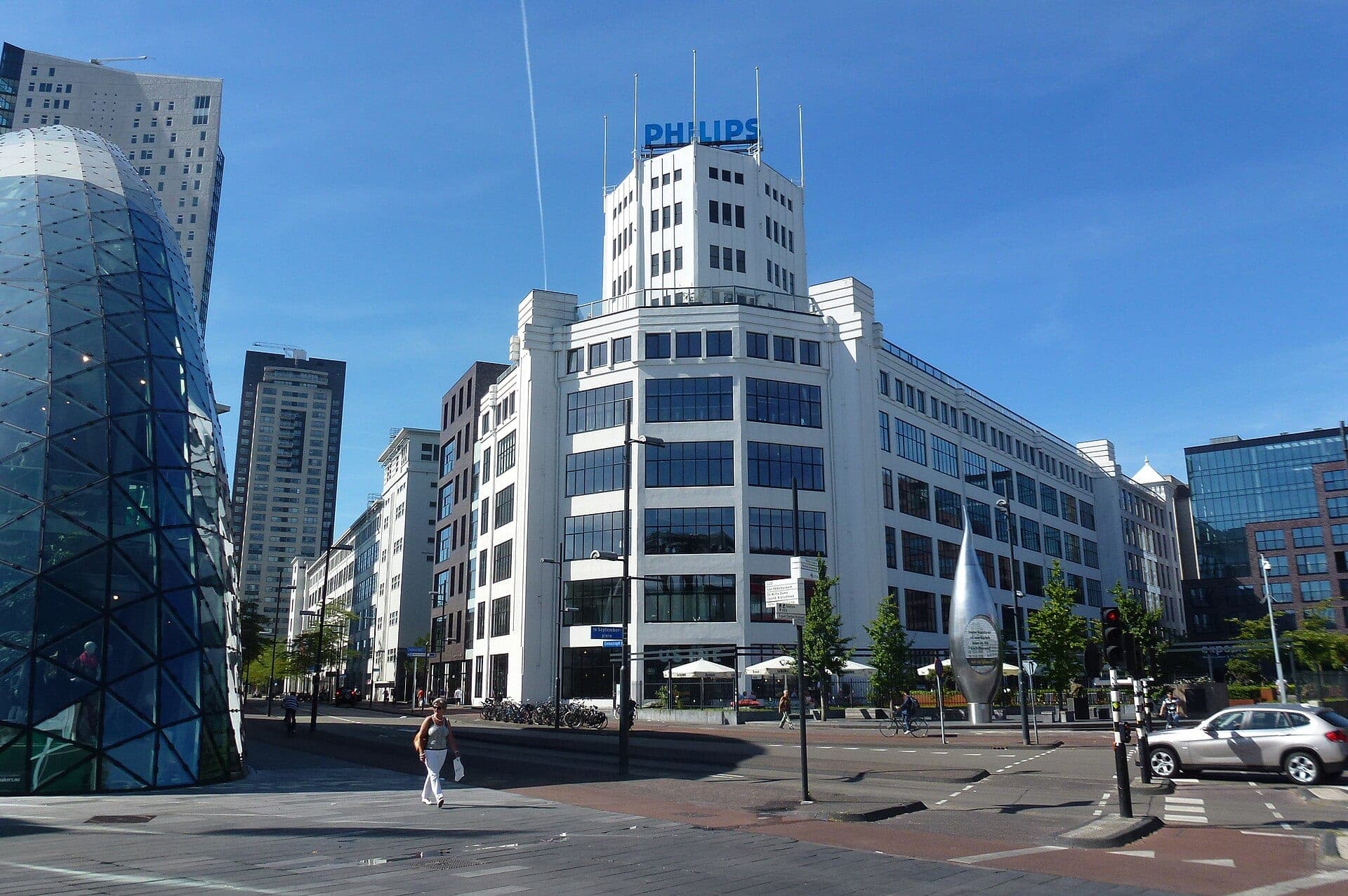
Photo: Rosemoon · CC BY-SA 3.0
What the city runs on
Semiconductors, photonics and precision manufacturing. ASML, the lithography company whose machines the world's chip fabs depend on, is based in nearby Veldhoven, and a wide supply chain of engineering firms surrounds it. The Lichttoren in the centre is the former Philips lamp factory — the city's origin story is literally still standing.
Why this city is different to recruit into
Demand here is for specific engineering disciplines rather than general professional skills, and it is deep: mechanical, optical, electronics, software close to hardware. If your field matches, this is the strongest labour market in the country for you and employers are used to hiring internationally. If it does not, the market is thinner than the city's reputation suggests.
What to check before you sign
Whether the offer is with the anchor company or with a supplier, and where the office actually is — several of the largest employers sit outside Eindhoven's city limits, and the commute is by car in a way it rarely is elsewhere in the Netherlands.
This page is information, not advice. We are not an employer, a recruitment agency, a visa centre or an immigration adviser, and we are not affiliated with any government body. Rules change — confirm against the official source before you act.